
As AI and automation is embraced by more companies, emotional intelligence becomes more valuable, not less. Remember, who manages and makes decisions? The human. AI and automation is just a tool.
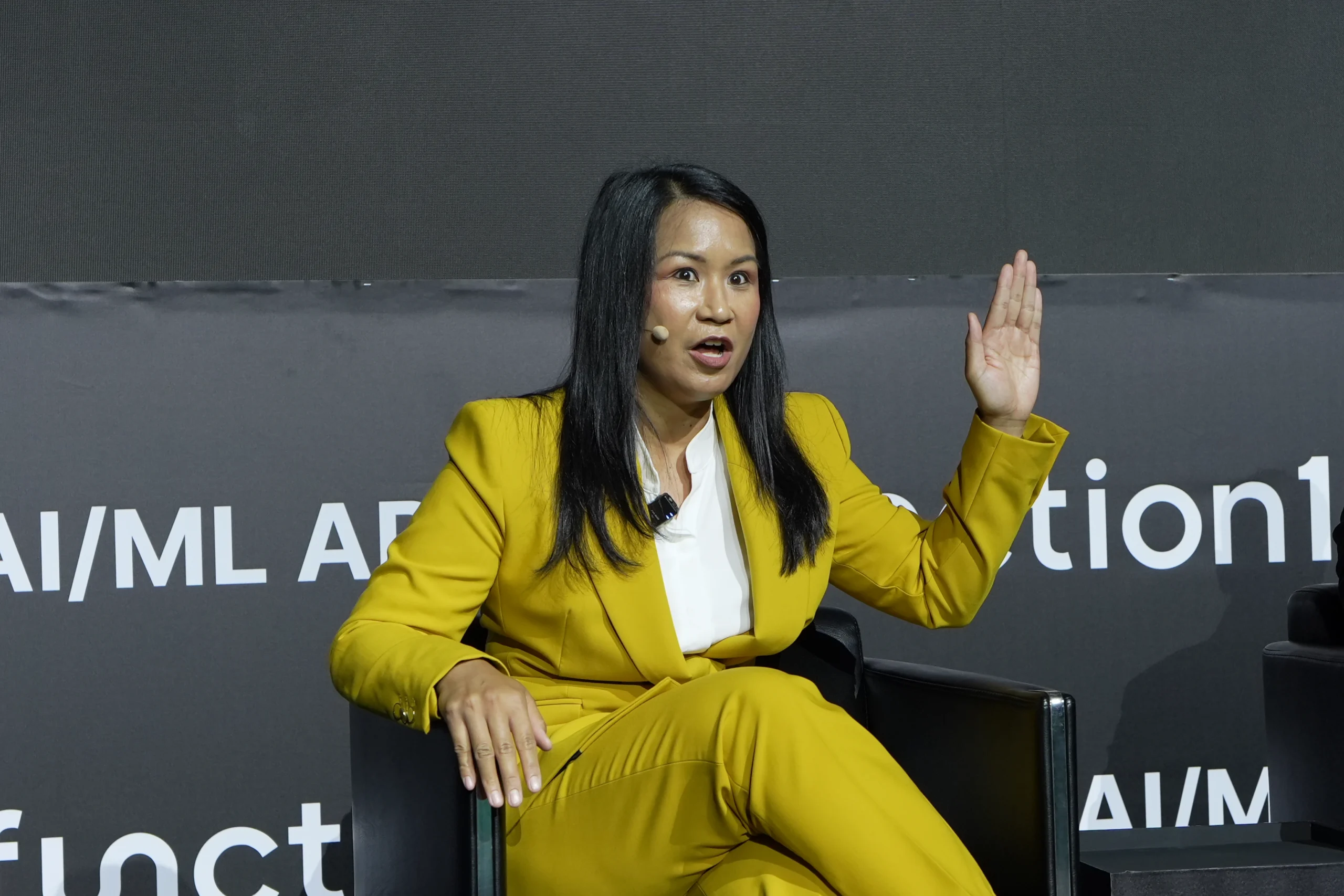
And emotional intelligence EI is what makes you stand out. Even now, after I do keynote talks, people come up to me afterward and say, “Wow, you sound so human, not AI.” The question is, are you sounding like AI or like a human?
What emotional intelligence actually is
Psychologist Daniel Goleman is the name most people associate with emotional intelligence at work, and his framework still holds up. It comes down to self-awareness self-regulation, motivation, empathy, and social skills.
Basically it’s your ability to recognize and understand emotional intelligence:
- What you’re feeling
- What the people around you are feeling
Then use that information to help navigate through the conversation, similar to how an athlete is aware of how them, their teammates, opponents and fans are feeling.
Recognizing understanding, and managing emotion work well if you work on your awareness and self-regulation. You can be someone who notices everything and still reacts before you can manage it. Developing emotional intelligence means building both. Some questions to ask yourself:
- Do you notice shifts in rooms of what people say and their nonverbals?
- When someone says something that might piss you off, can you do a great job of staying calm?
How EQ helped me raise $11 million as a former fundraiser, and build a 7-figure coaching business
I didn’t raise $11 million or build a 7-figure coaching business because I had the best spreadsheet in the room. I built it because I could read a room, hold my nerve in a negotiation, and manage stress well enough to stay clear-headed when a deal almost fell apart. Every donor conversation, every high-stakes client pitch, came down to the same thing: could I stay grounded enough to think while someone else was testing me? EQ was the actual infrastructure behind the numbers. Nobody puts that on a pitch deck, but it’s the truth.
How EQ got me through the hardest conversations of my career
The hardest part of leadership was never strategy. It was telling a client the truth they didn’t want to hear, or ending a partnership that wasn’t working, without shrinking or steamrolling. I used to avoid those conversations or over-explain my way through them. What changed wasn’t my personality. It was learning to stay in my body long enough to say the hard thing calmly, then let the other person have their reaction without needing to fix it or rescue them from it.
It’s a practice. For me, my reputation is about how to I handle relationships during the hard times. And a practice I’ve had to unlearn is people pleasing.
Where it actually started: being a first-generation daughter of immigrants
Long before I even knew what “emotional intelligence.” I was consistently translating as a first-gen immigrant
- Translating language
- Translating culture
- Translating my parents’ worry into something a landlord or a teacher could understand.
Why this matters in your actual work environment
You don’t need a dramatic story to feel this. Intelligence in the workplace isn’t about who’s smartest on paper.
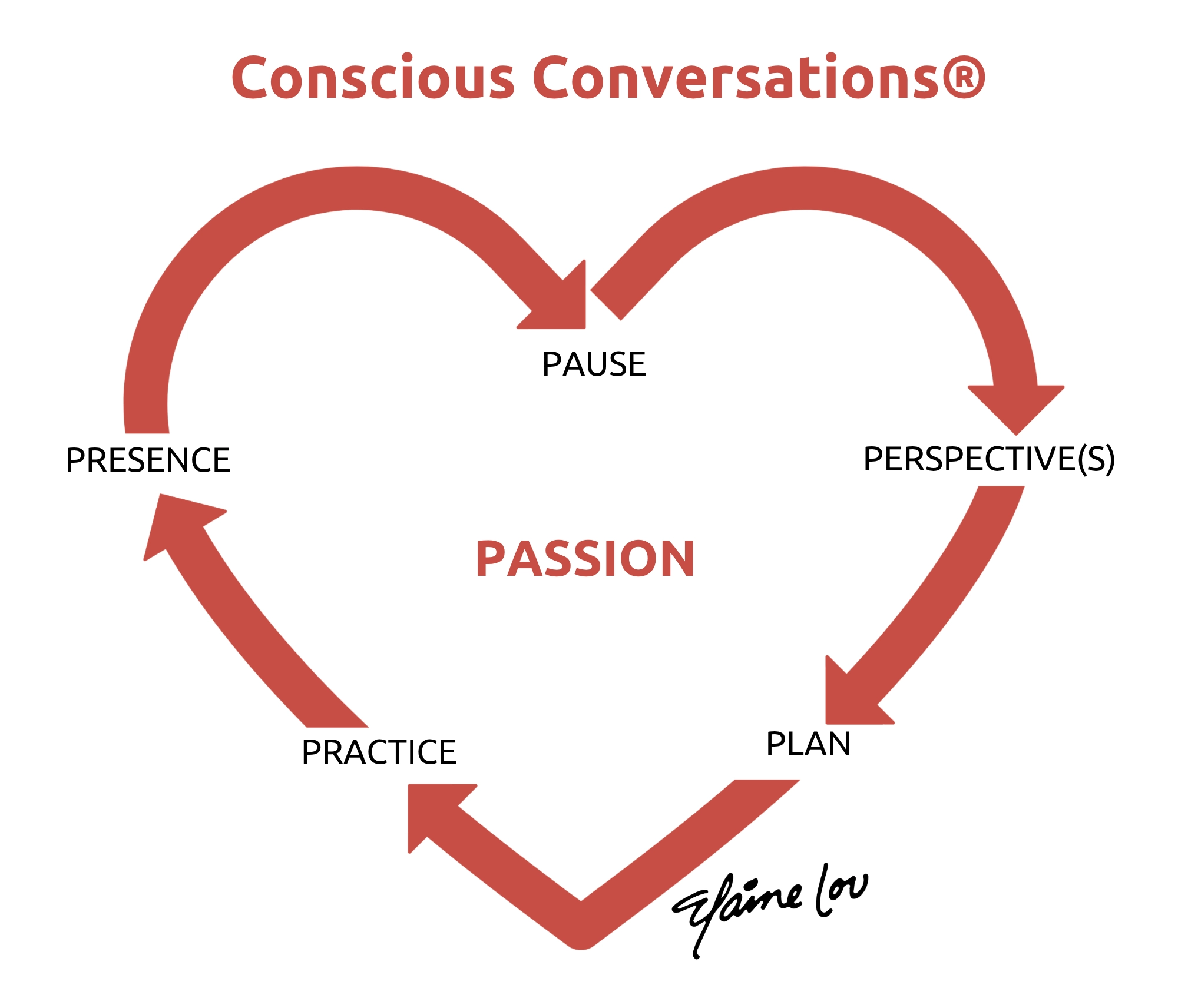
The Conscious Conversations® pillars I actually coach through
| Pillar | What it looks like in practice |
|---|---|
| Passion | Leading from what actually matters to you, not from proving you belong in the room |
| Pause | The gap between a trigger and your response, where you get to choose instead of react |
| Perspectives | Seeing the conversation from more than one seat at the table before you respond |
| Plan | Knowing what you actually want from a hard conversation before you walk in |
| Practice | Rehearsing regulation in low-stakes moments so it's available in high-stakes conversations |
| Presence | Staying in your body and in the room instead of rehearsing your next line |
Ask yourself: which of these six do you already lean on without thinking, and which one do you skip when you’re stressed?
This is also, honestly, the emotional intelligence skill most leadership trainings skip. They’ll teach you the five components. They won’t teach you what to actually do with them in a live conversation when you are triggered. That gap is where most leadership skills training falls apart, and it’s the whole reason I built Conscious Conversations® the way I did.
A little about the training behind this
- ICF PCC credential (Professional Certified Coach)
- Bachelor’s degree in Cognitive Sciences
- IFS Foundations for Coaches™ Graduate
- Named LA Weekly’s #1 Thought Leader
- Built 30+ courses with USC, Brown, Duke, Johns Hopkins, and Penn
- Coach and spoke to leaders from Amazon, City of Los Angeles, Ritz-Carlton, and Marriott, across 58 countries
FAQ
Can emotional intelligence really be learned as an adult?
Yes. Development emotional intelligence is a skill sitting on top of your nervous system, and your nervous system stays adaptable your whole life.
Is this the same as therapy?
No. Therapy often works on healing the past. Coaching builds the skill and behavior you need going forward.
Where do I start?
Start noticing the pause between a trigger and your reaction this week. Then, if you want a mirror trained to help you build the rest faster, book a discovery call.
Let’s talk about what’s actually running the room when you walk into it.
Need to check out my 300+ client reviews first? Here they are on: LinkedIn, Google, Youtube & My Website